
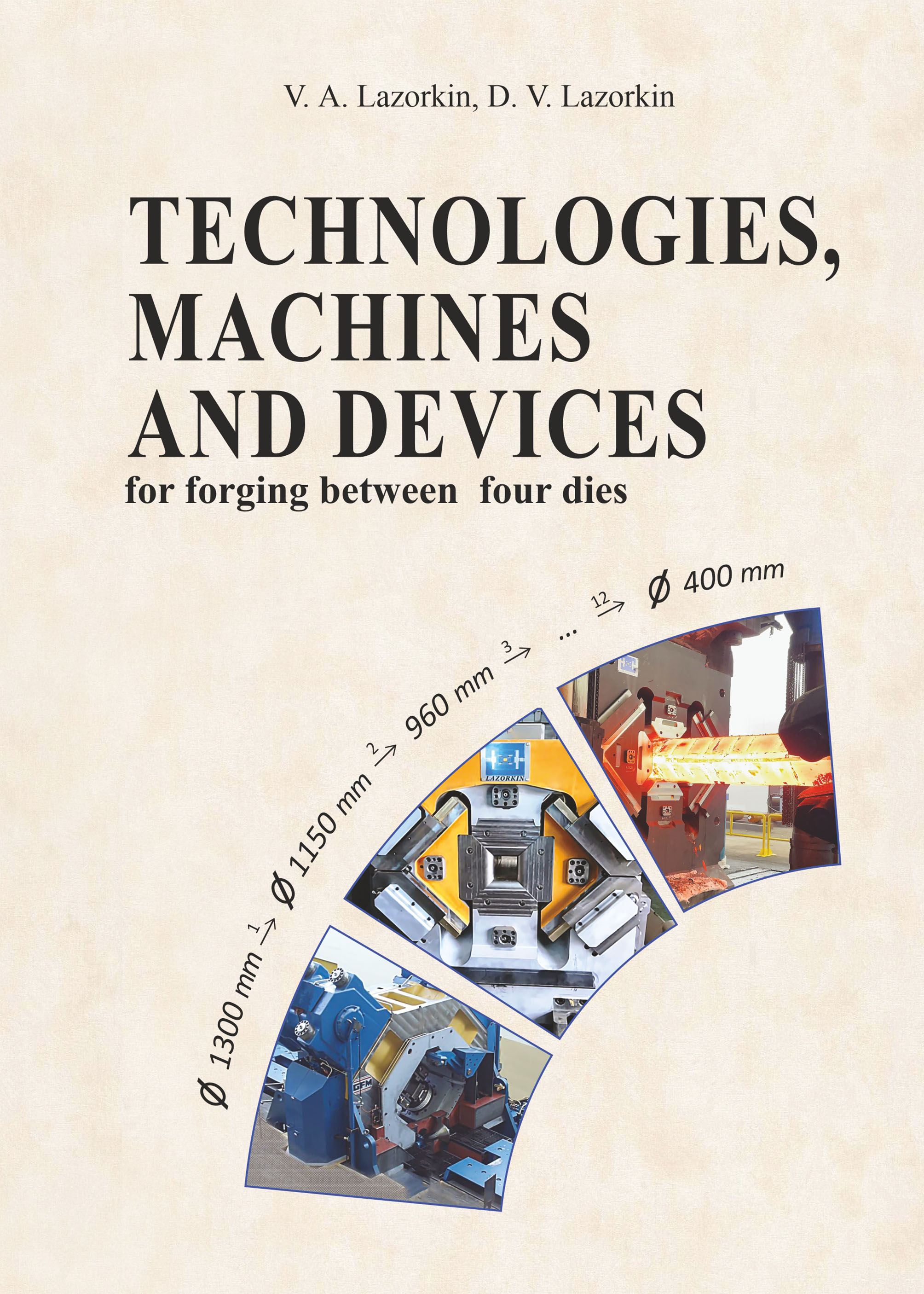
The book is devoted to the issues of forging on radial forging machines (RFM) and in four-die forging devices (FDFD) on forging presses.
Read more
Resource saving: metal loss is reduced by eliminating reheating, and metal loss during machining is reduced by improving dimensional accuracy. In fact, it has been found that consumption can be reduced by 4-5%.
Read more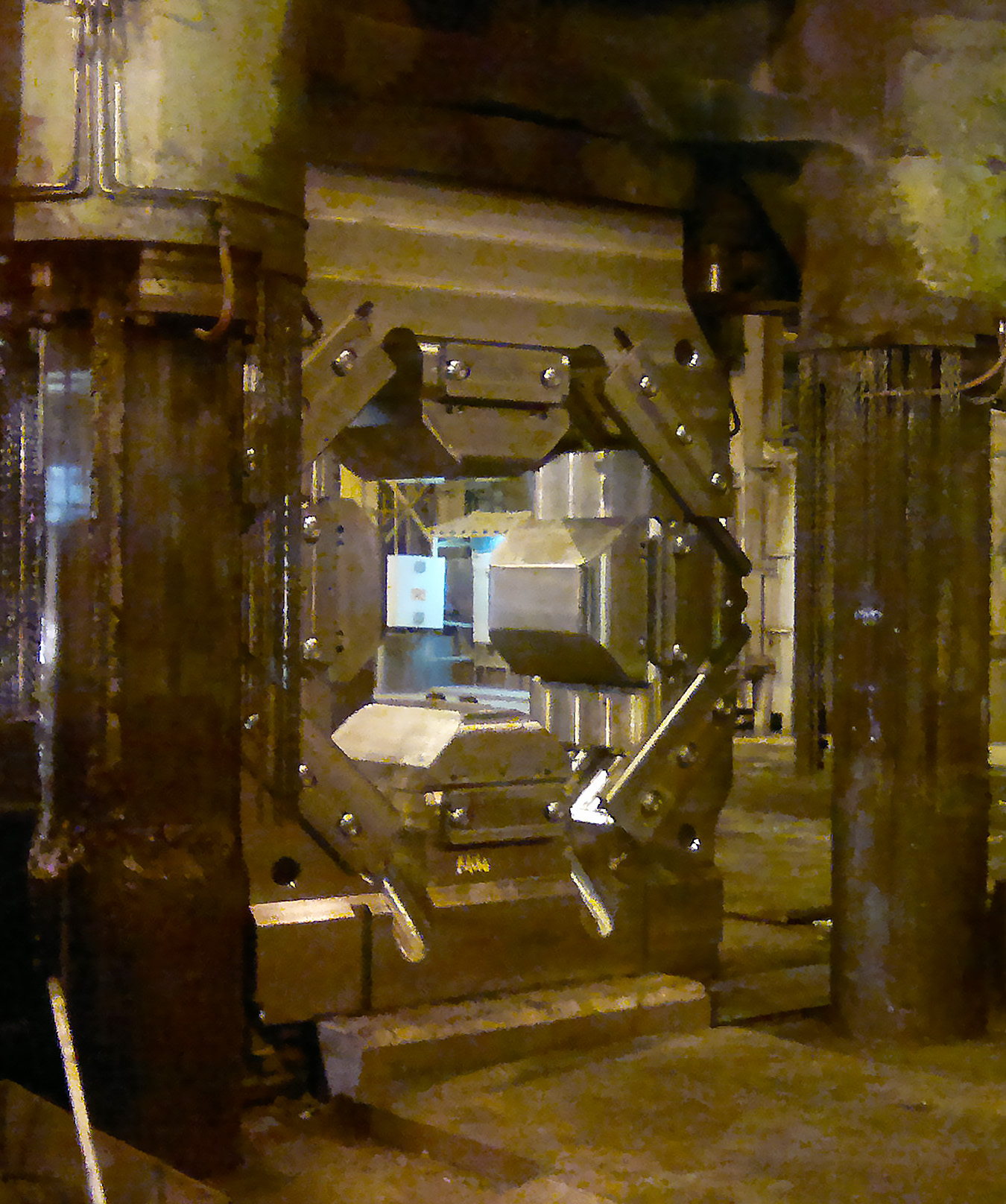
The amount of shear strain obtained by 4DFD should improve the quality of the metal microstructure. To confirm this, the following study compared the metallurgical quality based on carbide distribution between 4DFD and conventional forging processes.
Read more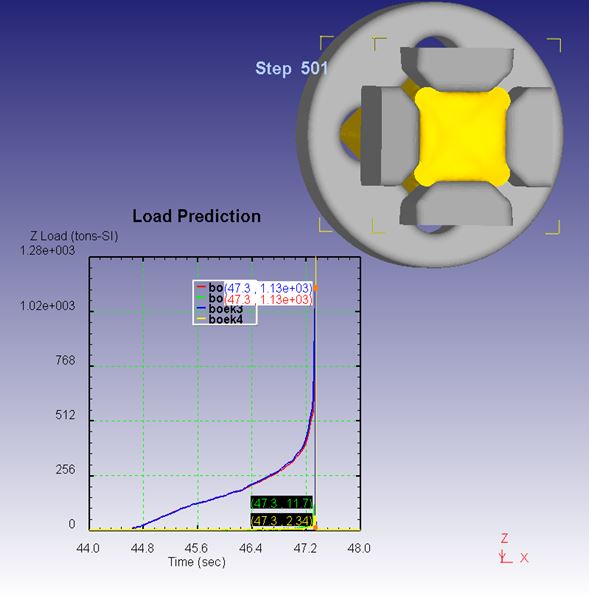
The report presents a comparative analysis performed by modeling technologies using the finite element method with the DEFORM 3D program for forging with 2 dies on a forging press, 4 dies in FDFD on a press and forging on an RFM.
Read more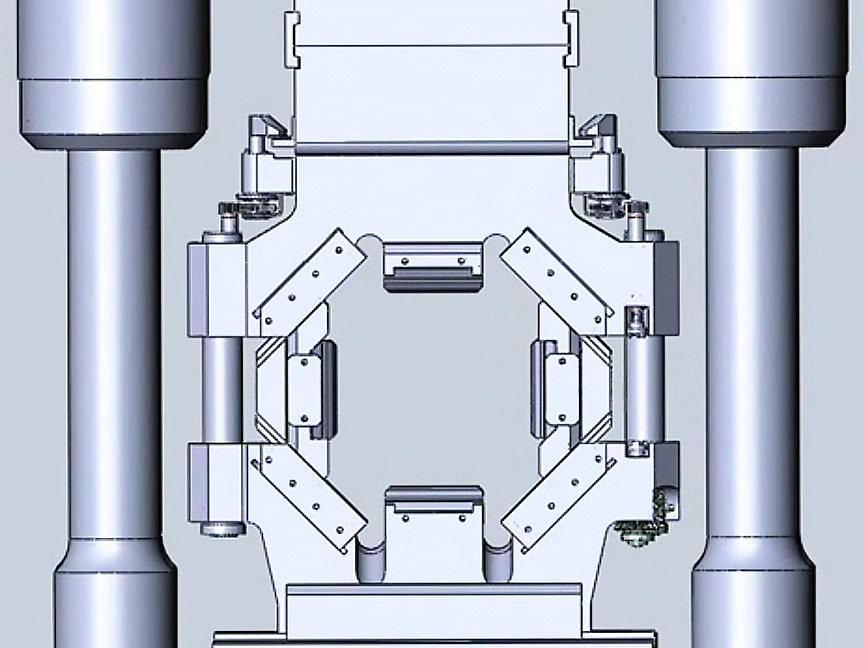
This article presents new FDFD design solutions and new technologies, and shows what process changes may ultimately be required to achieve maximum benefit from using FDFD.
Read more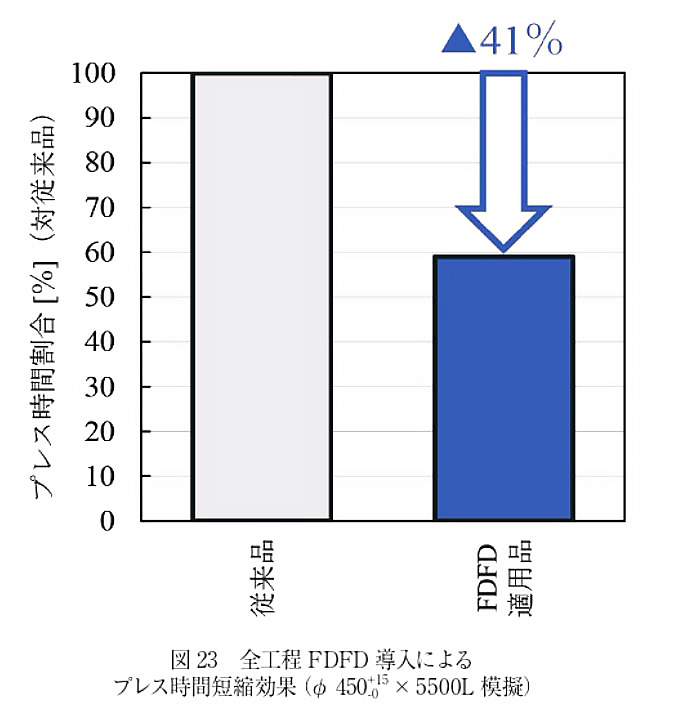
By implementing the void closing process in the finishing process using only FDFD, the forging time was reduced by approximately 41% compared to conventional methods without compromising the internal quality.
Read more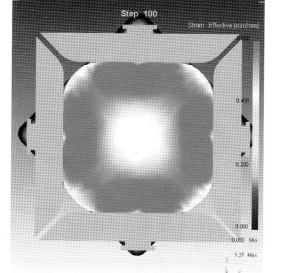
The report confirmed that the use of a radial forging device has a positive effect on the distribution of deformations across the cross-section of the forging, and also ensures the elimination of metallurgical defects.
Read more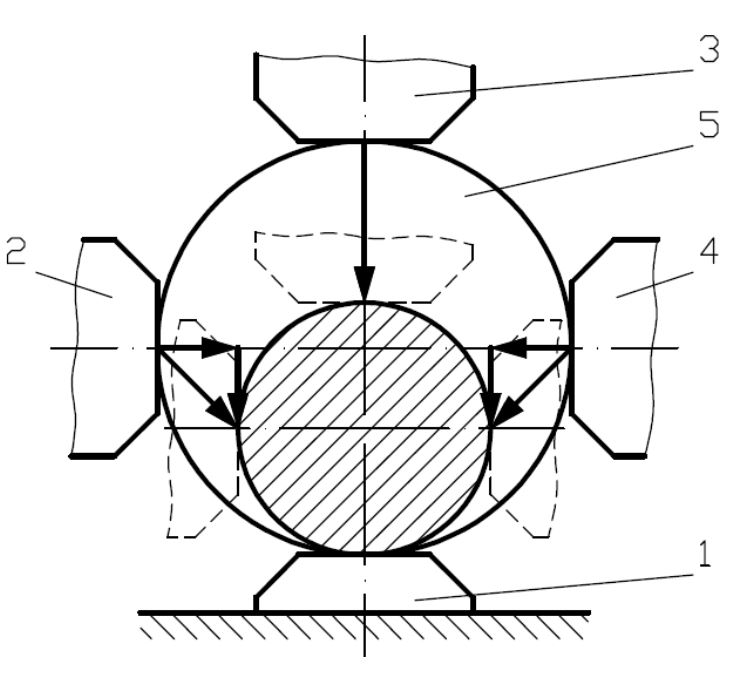
Unlike radial forging machines (RFM), FDFDs provide additional shear deformations caused by the complex movement of side dies, and forging with any reductions limited only by the power of the press and the working space.
Read more_1743074448.jpg)
A comparative analysis of two processes for producing 150 mm diameter forgings from a 350 mm diameter blank was conducted. According to the first technology, a blank made of high-speed tool steel was forged on a press with two cut dies, and according to the second technology, in FDFD.
Read more